
The Smart Showground: How the Easter Show Became a Connected Event
400,000+ map sessions. One platform. What it takes to turn a 200-hectare showground into a data-driven environment.
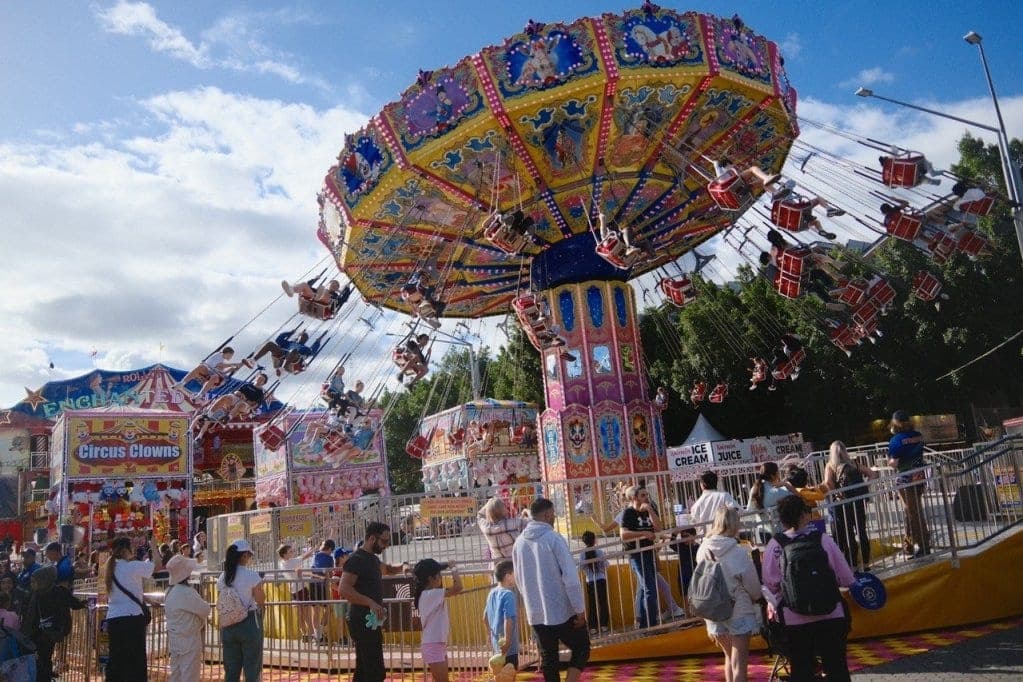
For years, showgrounds operated with a patchwork of systems. Cash in one lane, terminal payments in another, ride tickets from a booth, wristbands from a different booth. Revenue between organisers and exhibitors was reconciled manually after the event. There was limited real-time understanding of where visitors were moving, spending, or congregating.
The result: longer queues for visitors, lost sales for exhibitors, and limited visibility for organisers.
We built the Ludo Leisure Suite to unify these moving parts into a single platform. When you make life easier for the visitor, the organiser, and the exhibitor at the same time, everyone wins.
Three Capabilities That Changed the Model
Automatic revenue splitting removes the need for manual reconciliation. Revenue is divided instantly at the point of sale, giving both organisers and exhibitors real-time visibility and certainty. At the Easter Show, hundreds of vendors see earnings update live across 500+ deployed devices.
Payment unification consolidates every transaction, whether via wristband, card, or mobile wallet, through a single terminal. Seasonal staff learn the system in under five minutes.
Real-time intelligence gives organisers a live view of the event: where people are spending, where crowds are building, and where opportunities exist. This shift, from guesswork to evidence, is what fundamentally changes the operating model.
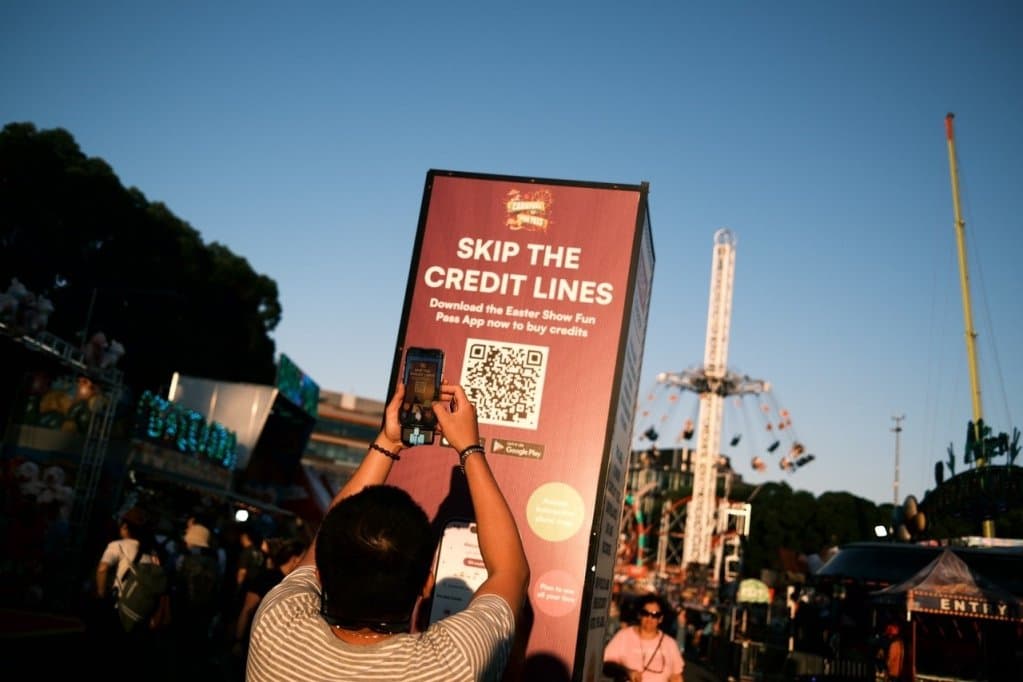
2026: A More Connected Showground
These systems were already proven. Over previous editions, we delivered over 1 million wristband and card redemptions. What distinguishes 2026 is the degree of integration: payments, navigation, and communication operating interdependently to shape the visitor journey in real time.
A major addition this year is an interactive digital mapping system built in partnership with Mappedin. Accessible from visitors' own devices, it enables real-time navigation and gives organisers actionable insights into crowd flow across the 200-hectare site.
The platform is online-first, with offline mode for resilience: supported payments and scans can continue if the network drops, then sync automatically when connectivity returns. For event operators who have experienced the consequences of network failure during peak trading, that resilience is not a nice-to-have. It is a prerequisite.
“For the industry, 2026 offers something equally important: a clear view of what the modern showground can become.”
James Croll, Australasian Leisure Management
If we do our job right, visitors barely notice the tech. They just have a better day. That is the standard we are setting: operational confidence under pressure.